
 EN
EN JA
JA

Landing Page Best Practices
Let’s face it, building a high-converting landing page can be a daunting task and more often than not, we are left with pages which drive only a few to no leads. Great landing pages are usually what stands between you and conversions.
We have identified a few key components and best practices for a highly-optimized landing page which maximizes conversions.
So before you hit publish, take a quick look at the list below and make sure you tick them off.
Descriptive Headline
Your headline needs to be descriptive and compelling. If the headline doesn’t grab the attention of the users in the first few seconds, they will leave immediately. Remember, the user takes about 3 seconds to decide whether they want to stay on the page and consider the content for consumption or not.
Hence the headline should have the following features:
- Clarity – Specific liners that describe the offer
- Relevance– Should be in alignment with the ad copy
- Empathy – Should be directly addressing a user problem, generally use terms like “You” and “Your”
Great Imagery
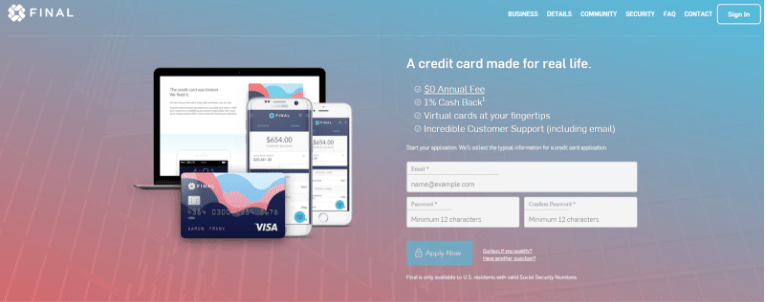
It is said that the human mind processes images 60,000 times faster than text. Using great imagery helps engage the user and keep them from leaving the page. Images help improve visual appeal, increase the human touch by using people in the images, snapshots of the product or feature and direct user attention to the Call-to-Action.
The thumb rule is to NOT present your landing page as a wall of text and instead include images (or videos) which align with your message.
Engaging content
The user will typically spend a few seconds to skim through the content of your landing page, therefore it is crucial to have highly engaging and easily scannable copy. The content of the page is the main body that elaborates the headline and describes the offering in detail. The length of the content is dependent on the target audience for whom the page is built, across the AIDA Journey (Awareness, Interest, Desire and Action).
Awareness – The content can be a short gist of the offering -e-book, whitepaper, checklist etc.
Interest; Desire – The content should be of medium to long format with details about exclusivity of the content, major takeaways of the content, how users can use the content etc. It is better to give a snapshot of what the user can expect out of the resource .
Action – The most important part of user journey. This is where the user commits to the offering. It is important to be very comprehensive and provide all the information the user needs to act upon.